Sunday Letter
But then, what is Blockchain?
Dear reader, Last week I wrote about Bitcoin, which has revolutionised the way we think about currency and potential stores of value. But Bitcoin was merely the first mainstream use case of a technology that I believe will disrupt the way many economic transactions are conducted: the Blockchain.
In short, the Blockchain is a way of allowing for decentralised and trustless verification of transactions. It does so by appending “blocks” of data to one long “chain”. This chain provides an immutable record of all transactions that have taken place to date. The mechanisms vary from Blockchain to Blockchain, but by providing individual economic incentives for all participants to verify transactions, the Blockchain represents a commonly agreed-upon source of “truth”, without the need for a central authority.
Below is a great video of Betina Warburg explaining what the Blockchain is (and what it can be used for) in 5 different levels of difficulty.
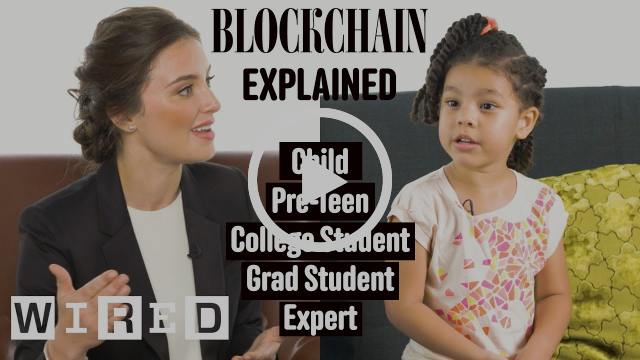
Video: Betina Warburg Explains Blockchain in 5 Levels of Difficulty
Wired
Blockchains should not be used to replace simple databases. The fact that all participants receive a copy of the entire Blockchain, and many participate in the verification of new Blocks, is highly inefficient compared to centralised compute and data storage systems (like Amazon Web Services). For example, Bitcoin transactions can take from minutes to hours to be verified, depending on the congestion of the network.
Where Blockchains have massive disruptive potential is in markets where intermediaries play a large role, and where there is a need for trustless verification between parties. Take for example conveyancing. If you want to buy a house from someone else, you need to engage lawyers to (1) make sure the seller actually owns title to the house; (2) make sure the seller hasn’t sold the house to multiple people; and (3) to actually execute transfer of the title, and make sure that you are reflected as the new owner of the title. Depending on the country, this takes from days to months, and can be very costly. A Blockchain that records such transactions, even if it took minutes to verify, would be a huge improvement.
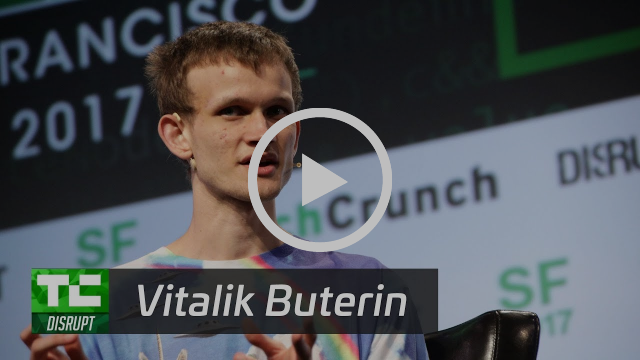
Video: Decentralising Everything with Ethereum’s Vitalik Buterin
Disrupt SF 2017
Blockchains further have massive disruptive potential in markets where intermediaries play a large rule, such as capital raising. Already today platforms such as Kickstarter provide ways for budding projects to get crowdfunded, without needing to go through traditional intermediaries such as investment banks. Initial Coin Offerings (ICOs) are in many ways Kickstarter on steroids: offering a way for companies to fund themselves by promising future (often only potential) services to early backers.
ICOs themselves remain controversial, and many regulators remain unsure of how to respond to the exploding volume. No regulator wants to be seen as “missing the boat”, but many ICOs fall afoul of local securities laws. And even excepting those which are downright scams, there are many ICOs issued by companies with flimsy business models. I think that the Blockchain industry is today like the Internet was in 1999: rife with businesses like pets.com. Like with the dot-com bubble, however, the presence of bad companies and broken business models does not impugn the veracity of the underlying technology.
Yours Sincerely,
Henry Chong