Sunday Letter
Digital Humans
Dear reader, Everybody knows how social media has radically reshaped the modern media landscape: from the way in which companies market products, to the way in which we communicate with each other. Even old people are on Facebook now.
Social media has and will continue to define elections. Data privacy will become an epochal issue.
I’ve written before about how we’re all just taking the same pictures on Instagram.
Modern marketing is increasingly moving beyond direct advertising on social media: those annoying “promoted videos” and ads that you see amongst your social media feed from your friends. We have become so used to a world inundated by digital advertising that our brains have learned to block out ads so that we literally don’t even see them.
Influencer marketing, on the other hand, presents a more “natural” environment, in which influencers with large followings “just happen” to be using or wearing a product, such as in the image below. Influencer marketing has allowed Kylie Jenner to become the youngest-ever self-made billionaire at the age of 21, with just 7 full-time employees.
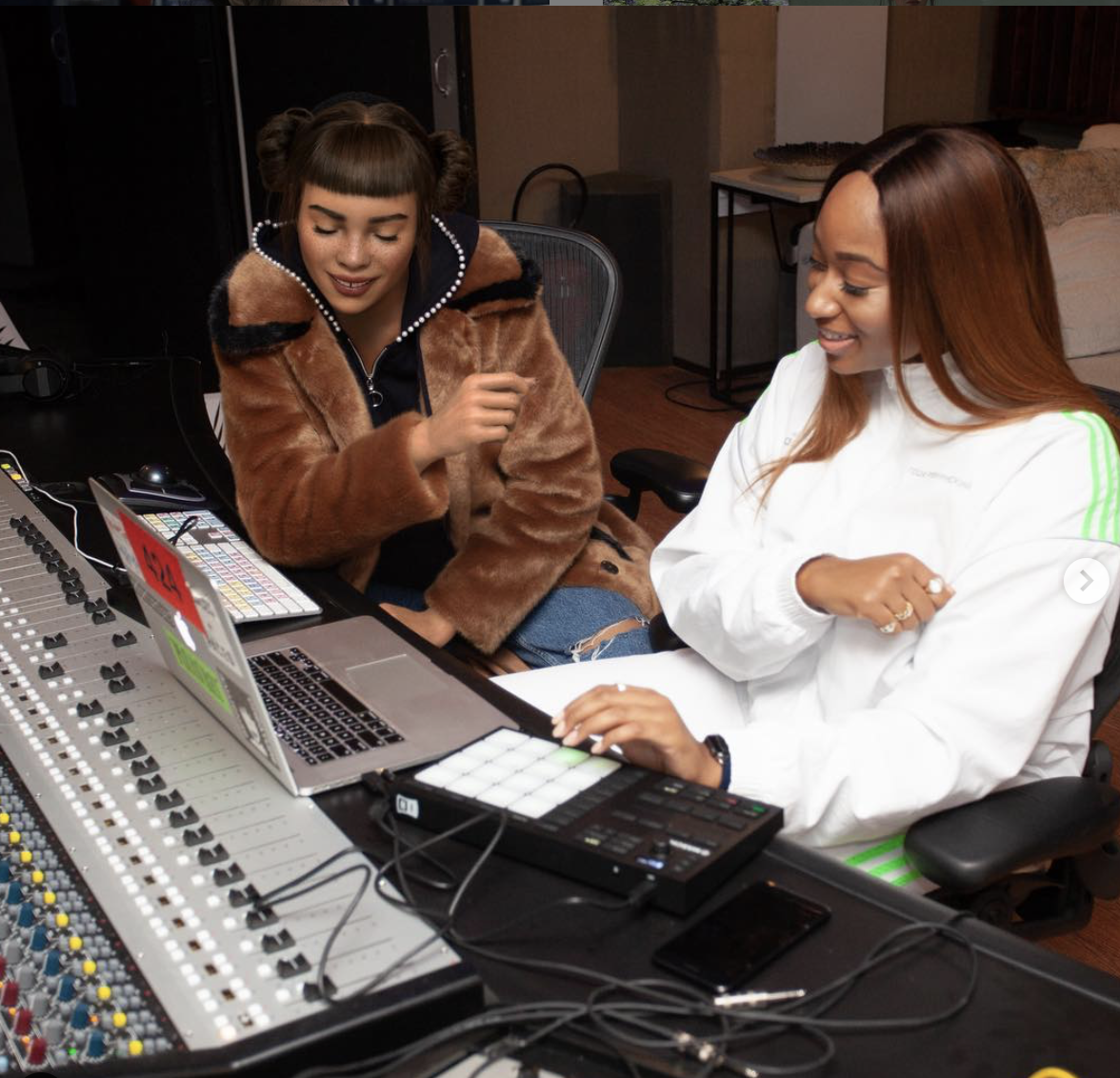
Lil Miquela with producer & composer Trakgirl, promoting Native Instruments
Lil Miquela is a 19-year-old fashion model and singer, with a Brazilian background. In just 2 short years she has gained over 1.5 million followers, and raised over 6 million dollars as a leading fashion model.
And she’s not real. Lil Miquela is a digital human: entirely computer-generated. Can you tell which one she is?
Consumers are increasingly placing their trust in people over companies, which is exactly why Kylie Cosmetics has grown at a speed that traditional cosmetics companies can only dream of. Women her age find it easy to relate to her life, her struggles, and her story. Even though it is all deliberately and carefully choreographed.
In much the same way, digital humans can be deliberately created to have a personality and character that uniquely suits their job: the ideal influencer. Digital humans don’t need to be paid, never take a day off or get sick, and consistently deliver the same message, without ever “pulling a Justin Bieber”.
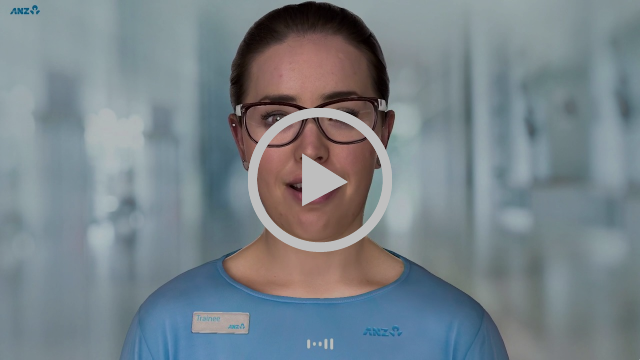
Soul Machines’s digital assistant Jamie
Chatbots are rapidly being rolled out as customer service representatives. Half the time, when you email or message a company’s support service, it is an automated algorithm responding to you. Especially when blended with responses from a human operator, it can be difficult to tell which is which.
Yes, fully-automated chatbots have a long way to go, but they will only get better and better as those algorithms learn from increasingly large data sets. Soon chatbots will progress from text-only, to being full-video.
Unlike humans, algorithms never get worse at their jobs. And they don’t retire, upon which you have to train someone new. Even if an algorithm starts out basic, and its improvements painfully incremental, over time it will inevitably surpass human performance.
It’s only a matter of time before us humans prefer interacting with chatbots and digital humans when it comes to fulfilling our customer service needs. They’ll certainly be friendlier.
And perhaps it’s only a matter of time before the video below becomes real.
Yours Sincerely,
Henry Chong
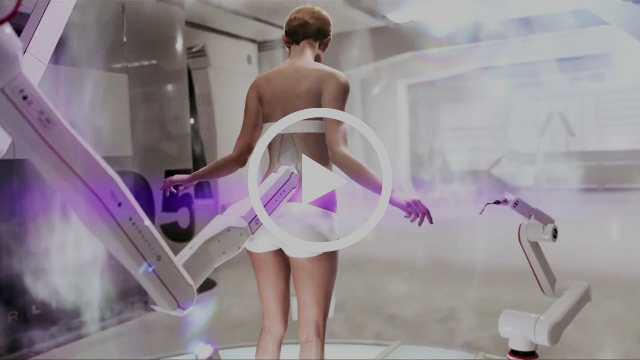
Detroit: Become Human, Official Trailer, by Quantic Dream