Sunday Letter
Drive It Like You Stole It
“Drive It Like You Stole It”
– The Glitch Mob, Drink The Sea
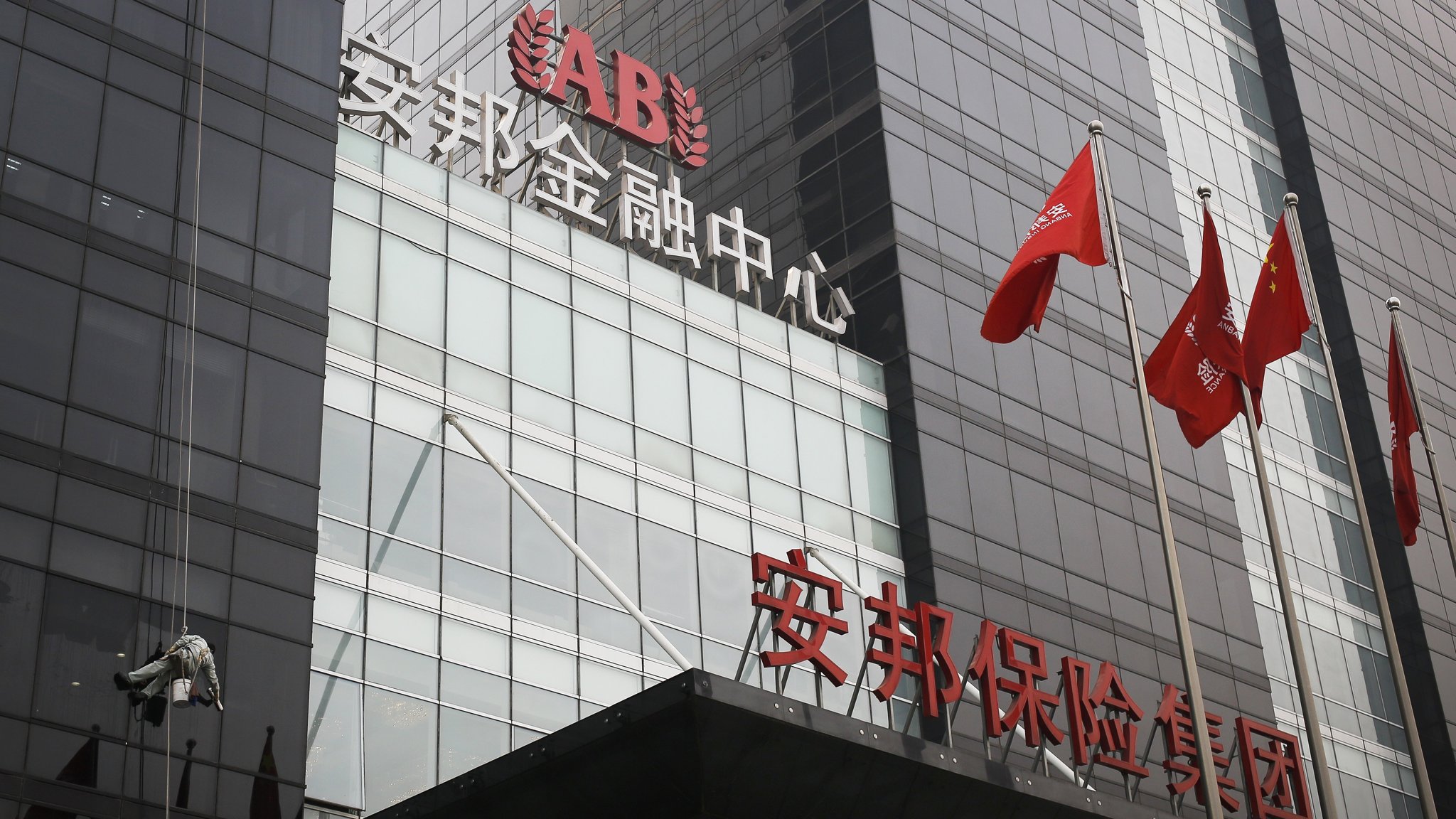
Dear reader, On 8 June 2017, Anbang’s Chairman, Wu Xiaohui, was detained by government authorities, and “for personal reasons no longer able to perform his duties.” Two weeks later, it was announced that Anbang was being listed as a “high risk” company by the China Banking Regulatory Commission (CBRC). Chinese banks were ordered to report their credit exposures to Anbang, and other similar insurers.
Anbang is today China’s second biggest insurance company, after state-owned China Life. Just 12 years ago, however, it was a small provincial car insurance company.
It’s incredible growth has been fuelled by short-term insurance policies that function more like investment notes. Premium revenue reached USD 74 billion last year, making it China’s second-largest privately-owned insurer (behind Ping An Insurance Group).
Mainland Chinese retail investors, hungry for growth and returns, have piled into these notes, which have promised returns of over 6% a year: well above what can be had from government bonds or bank deposits.
Most insurance companies invest their premium “float” in relatively long-term, conservative investments that are liquidity and duration matched: like bonds. Anbang has instead invested in highly illiquid asset classes like private equity, generating massive return spreads for themselves: going so far as to boast that they don’t invest in bonds, and instead actively trade stocks to generate extra returns for themselves.
This is all fine and dandy, until a group of people ask for their money back all at once.
Anbang has banked on the fact that to date, premiums from new policies sold have been sufficient to meet payouts on maturing ones, and have used their premium float to make far-ranging acquisitions: from hotels to retirement homes.
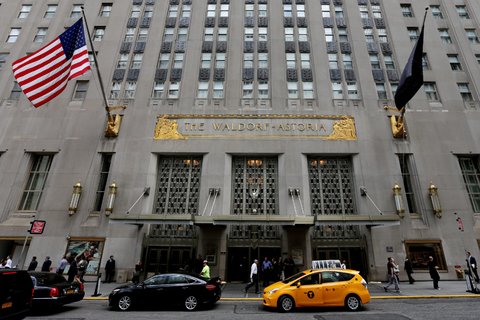
The Waldorf Astoria in New York. Anbang purchased the hotel for USD 1.95 billion in October 2014.
One product called Sure Win No. 1 boosted the firm’s life insurance premiums 40 times, as many Chinese investors flooded into a product they believed was guaranteed by the government: something the government flatly denies. Anbang’s leverage ratio has exploded from 3:1 to 17:1 from 2013 to 2016.
It’s now just been announced that the Chinese government has asked Anbang to sell its overseas assets.
It’s all fun and games, until the music stops.
Don’t be the one left without a chair.
Yours Sincerely,
Henry Chong