Sunday Letter
The Birth and Death of the Day
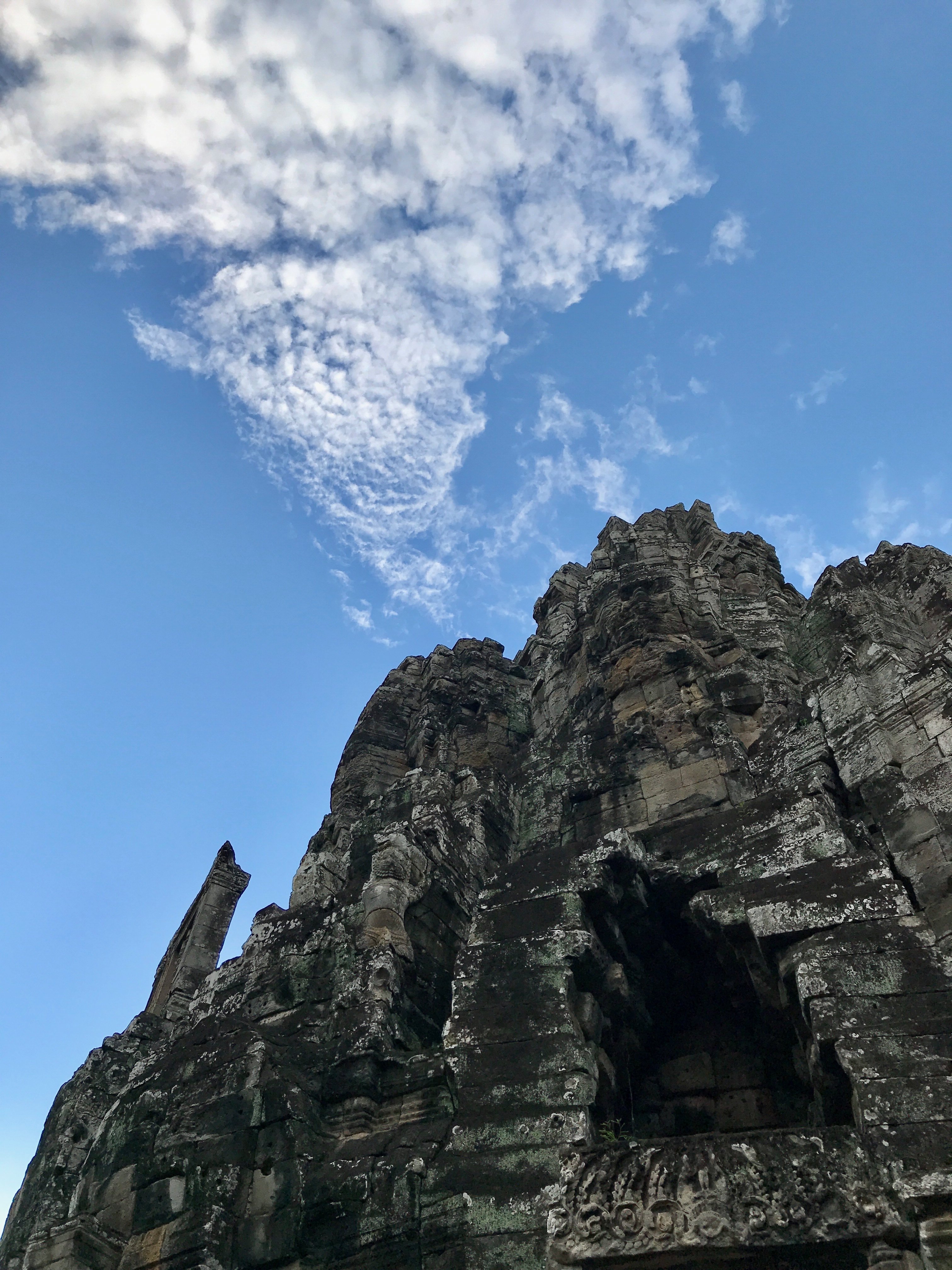
Bayon Temple, famous for the many smiling stone statues
Dear reader, I was recently exploring Angkor, in Cambodia. It was the capital of the Khmer Empire, which at one point ruled over much of South-East Asia. It was once the largest pre-industrial city in the world, covering an area of over 1000 square kilometres, and supporting at least 0.1% of the global population during 1010-1220. At its peak, the city occupied an area greater than modern Paris, and more stone than all of the ancient Egyptian structures was used in its construction.
Now all that’s left are ruins. Angkor was largely forgotten until the end of the 19th century, when French archaeologists began a long restoration process.
Art thieves have since stolen almost every head atop the famous smiling statues of Bayon. Ta Prohm is today most famous for its overgrown trees, their roots spilling across the stone bas-reliefs.
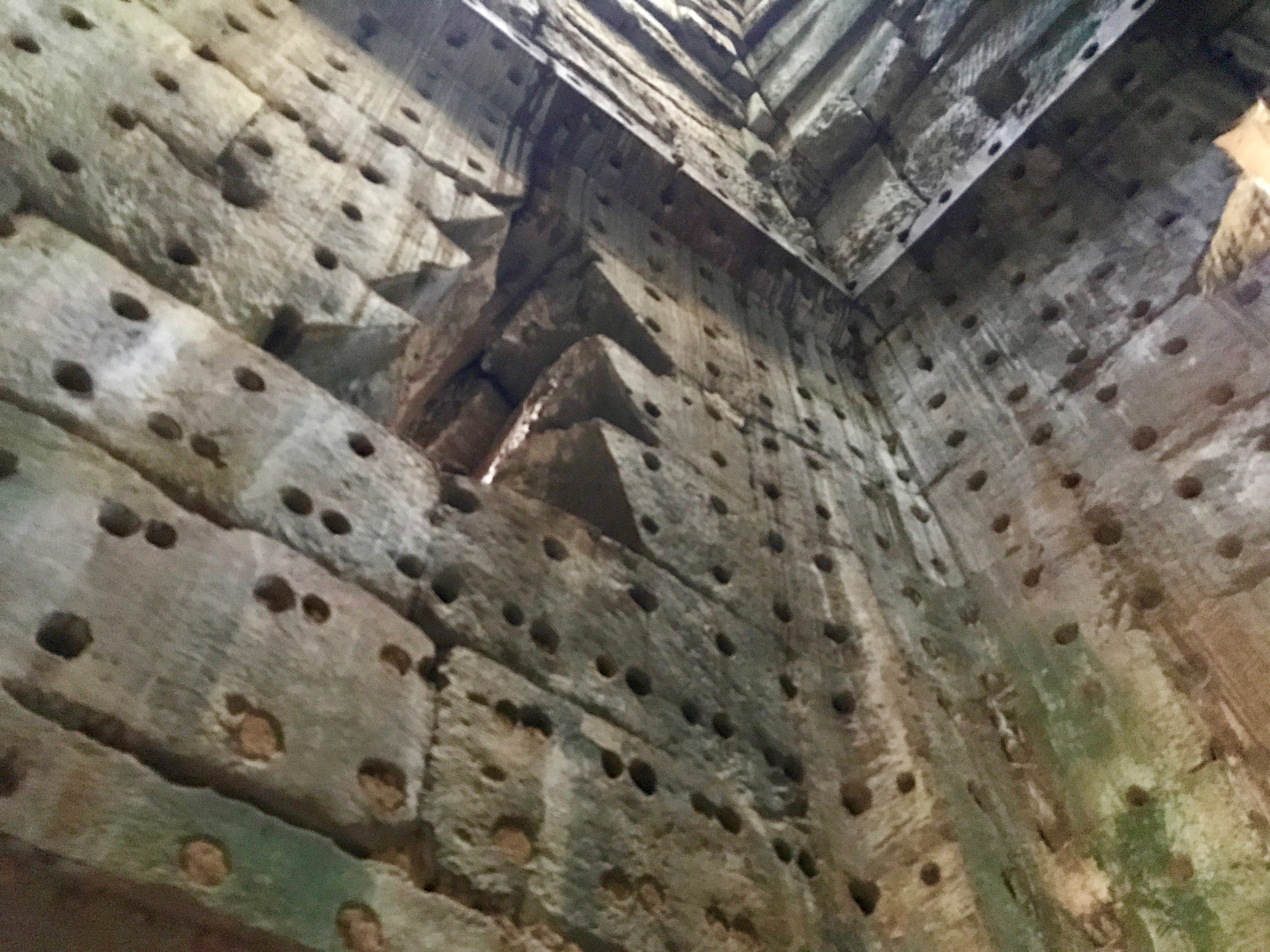
Gemstone vault at Ta Prohm. All the round holes were once filled with rubies, sapphires, and emeralds.
By the 14th century the Khmer Empire was in decline. A combination of internal power struggles, financing foreign wars, protectionism from foreign trade, and lack of infrastructure investment all contributed. Sound familiar?
The University of Oxford’s New College was founded in the 14th century: “New” because by that time there were already six colleges before it. As with the rest of the university, it still stands today, having taught generations of students ever since.
As part of the deal to to acquire the land upon which he built New College, William of Wykeham agreed to maintain the city wall. From 1379 till this day, every three years, the Lord Mayor and Corporation of the City of Oxford take a walk along the wall to make sure that the promise is kept.
What makes one empire crumble, and another stand?
Yours Sincerely,
Henry Chong
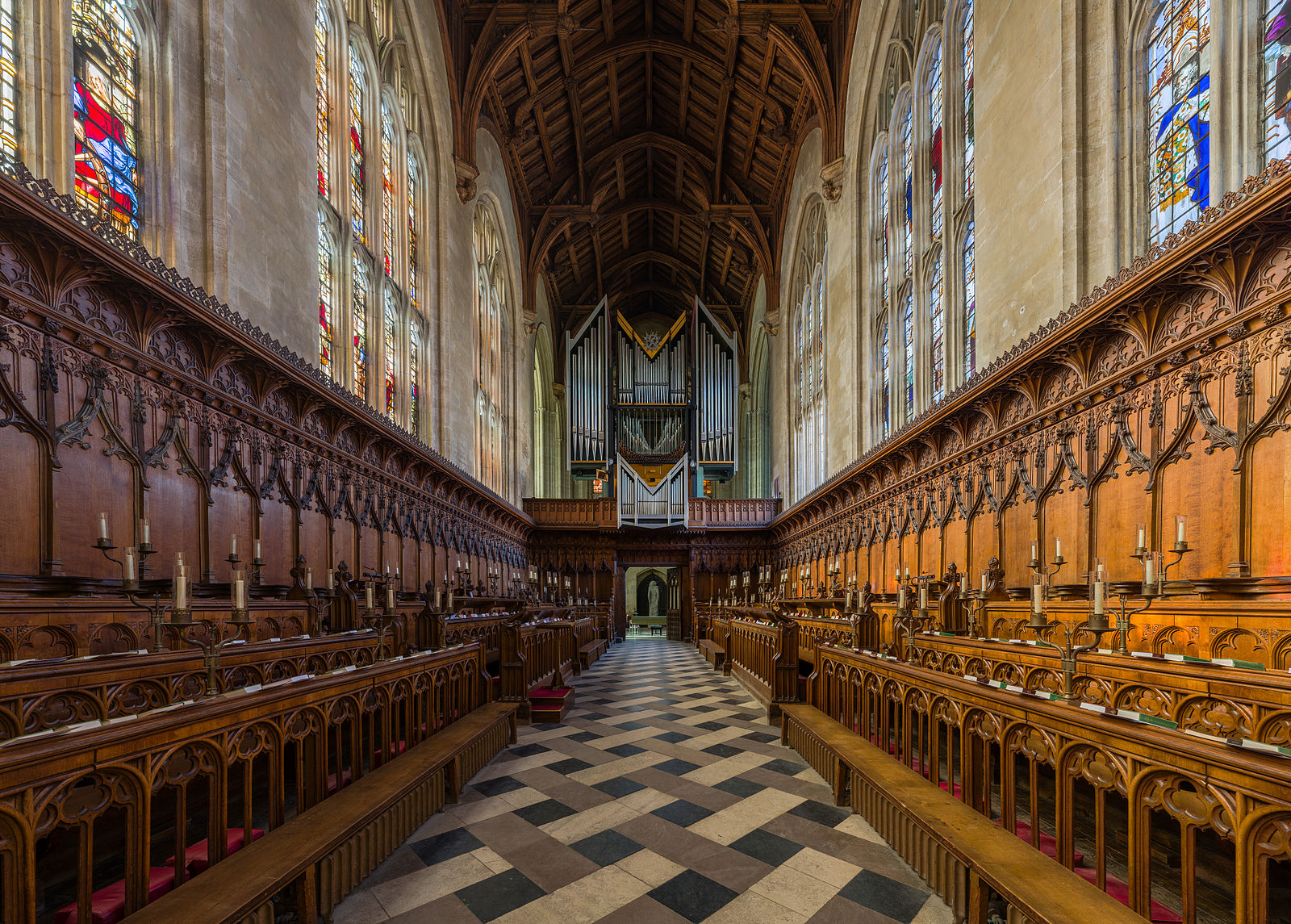
New College Chapel, University of Oxford