Sunday Letter
What Is Up To Us
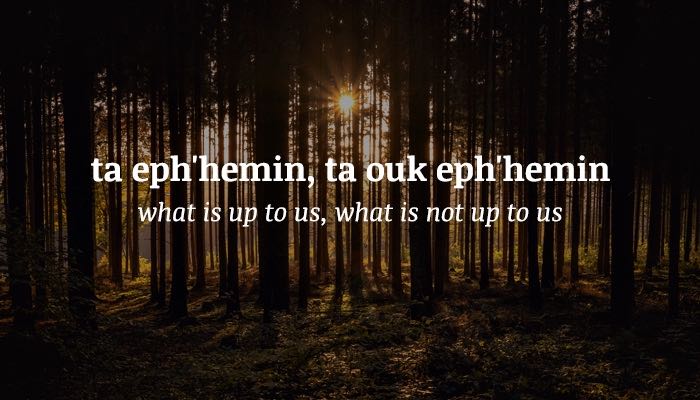
Dear reader, Epictetus, the freed slave turned Stoic philosopher, wrote a line in his Enchiridion that forms a core of stoic philosophy: “ta eph’hemin, ta ouk eph’hemin”, which roughly translates to “what is up to us, what is not up to us.” The phrase is meant to serve as a powerful reminder for us to differentiate between the things that we can control, and the things that we cannot. The Serenity Prayer is meant to teach us the same thing.
Epictetus taught that: “Some things are within our power, while others are not. Within our power are opinion, motivation, desire, aversion, and, in a word, whatever is of our own doing; not within our power are our body, our property, reputation, office, and in a word, whatever is not of our own doing.” Or as Pierre Hadot put it: “the delimitation of our own sphere of liberty as an impregnable islet of autonomy, in the midst of the vast river of events and of Destiny.”
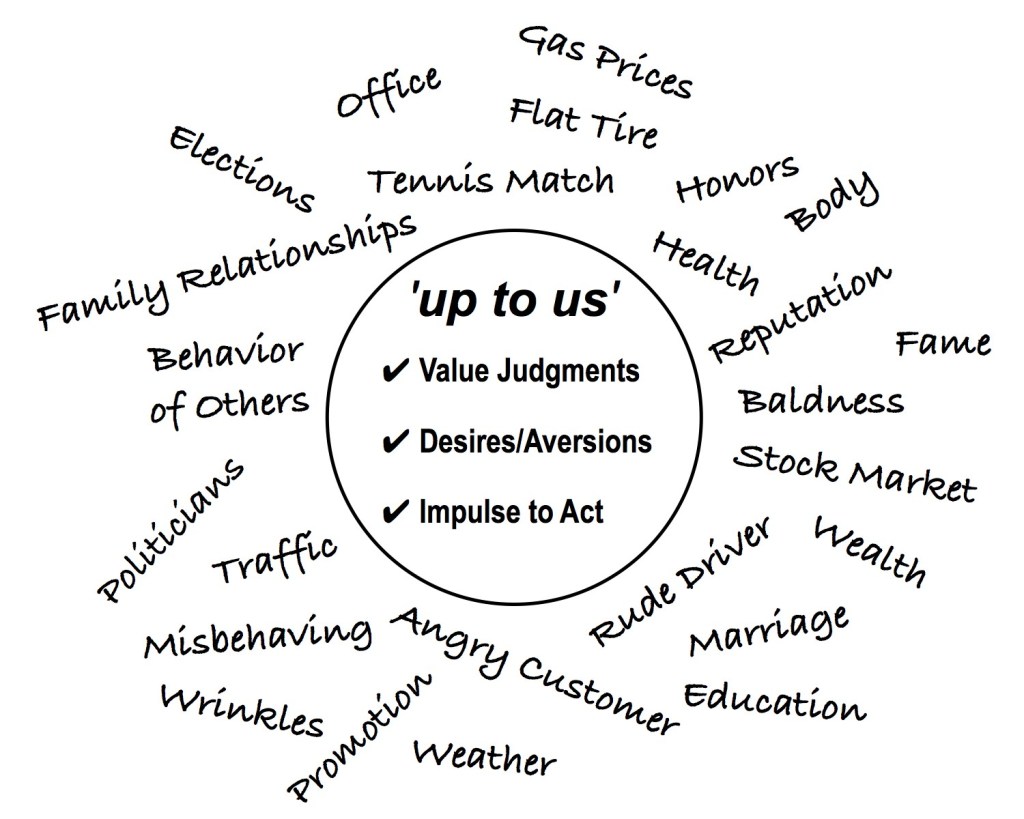
The list above shows that what is up to us is quite short. This theme has been echoed by countless thinkers and philosophers throughout the ages.
Marcus Aurelius wrote that all you need is: “Objective judgement, now, at this very moment. Unselfish action, now, at this very moment. Willing acceptance - now, at this very moment - of all external events.”
Buddha echoed the same idea, writing about the Three Poisons: Moha (delusion), Raga (greed), and Dvesha (aversion); and their opposites: Prajna (wisdom), Dana (generosity), and Metta (loving-kindness).
Tony Robbins talks about the Three Decisions that shape our Destiny: What am I going to focus on? What does it mean? What am I going to do?
I have found that when an idea is repeated by so many different people, across such a long period of time, there is probably a truth to it.
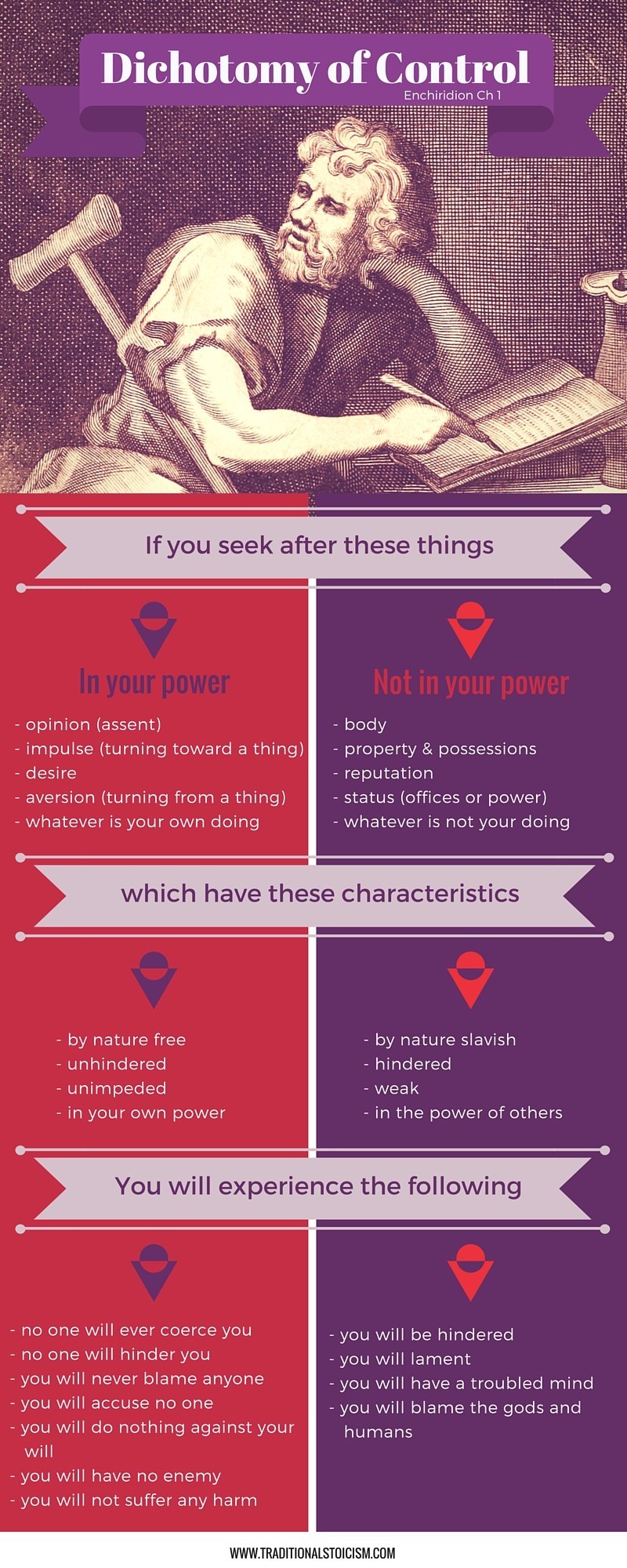
Remembering what is in our control, and what is not, is not only the path to success: it is also the path to happiness.
So just how do we put this into practice in our own lives? Stay tuned for the next letter!
Yours Sincerely,
Henry Chong