Sunday Letter
White Smoke

Dear reader, Whenever a pope dies, a papal conclave convenes to pick the person who will become the new Bishop of Rome. He (and it is always a he) will be considered the apostolic successor of Saint Peter, and the earthly head of the Roman Catholic Church.
The word conclave comes from the Latin cum clave: “with a key”. The gathered College of Cardinals are literally locked inside the Sistine Chapel in the Vatican, where they are not permitted to leave until a pope has been elected. One incentive to force a choice is that if a pope has not been elected within three days, the cardinals are permitted to have only one dish at meals: an attempt to avoid historical conclaves that could last for months or even years.
Numerous rounds of ballots begin. After the tallying of each ballot, the paper ballots are burned. If no cardinal has received a supermajority of votes, dark smoke from the chimney of the Sistine Chapel announces the fact. If a pope has been elected, white smoke emerges.
In this way, the Roman Catholic Church ruled over much of Western Europe for hundreds of years.
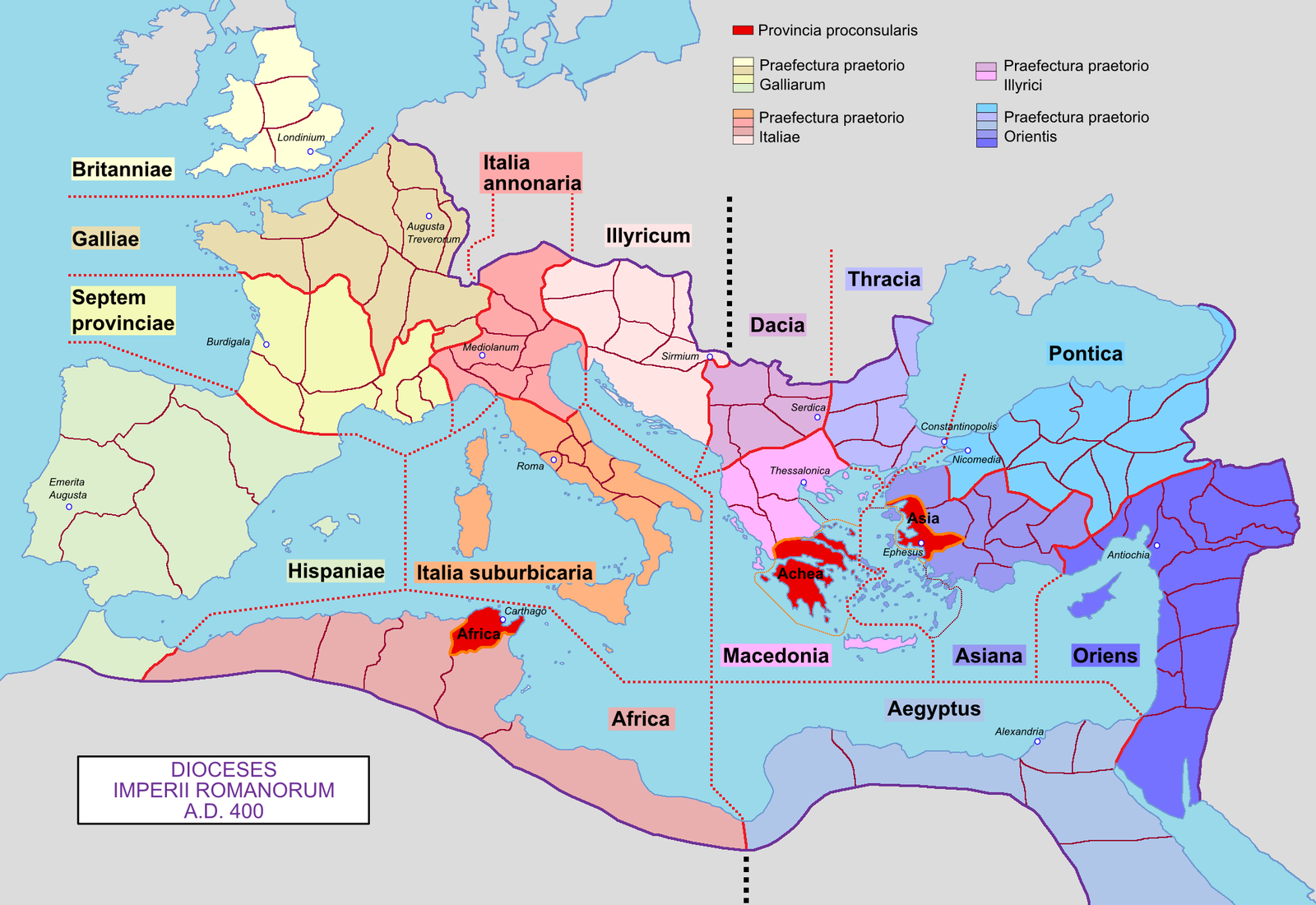
The President of the United States is not, as many would assume, picked by direct popular election. Instead, the Electoral College, formed of representatives from each State, decide which candidate they will vote for. While in practice the representatives pick the candidate who receives a plurality of votes from the popular elections of each state, they do not necessarily have to. The Electoral College was explicitly formed as a “safety mechanism” to prevent democracy run amok. Furthermore, many US territories such as Puerto Rico and the US Virgin Islands are not entitled to a vote. And of course, if no candidate receives the required 270 Electoral College votes, the House of Representatives decides who gets to become the President.
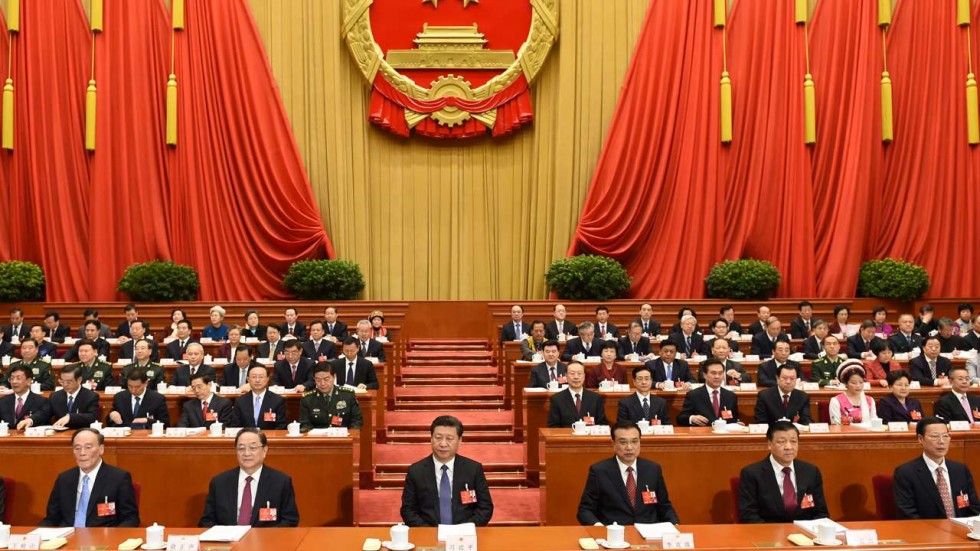
China this week held the 19th National Congress of the Communist Party of China, in which 7 leaders (again, all dark-haired men) were selected to the Politburo Standing Committee, after months of machinations and back-door talks. Together they will shape the fate of almost 20% of the world’s population.
It’s easy to complain about our leaders, but we have accepted the mechanisms which pick them: explicitly or implicitly.
The way in which we pick our leaders says a lot about ourselves.
Yours Sincerely,
Henry Chong